Style Selection
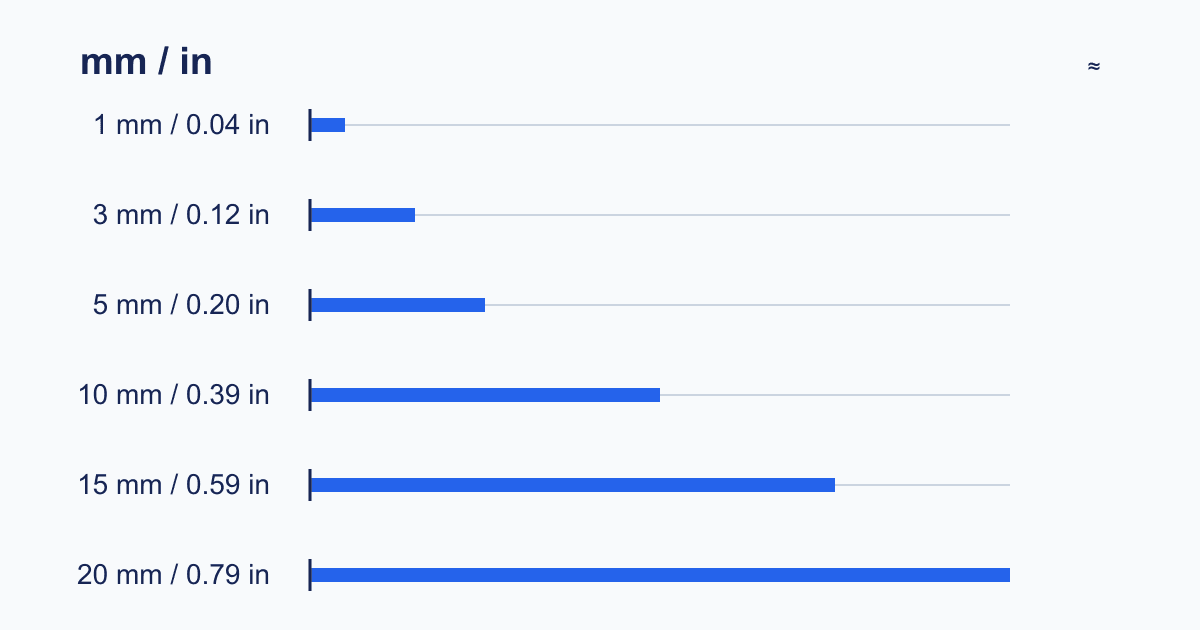
Beard Length Chart: Millimeters, Inches and Trimmer Settings
Compare six beard lengths in millimeters and approximate inches, then learn how to test a model-specific trimmer setting conservatively.

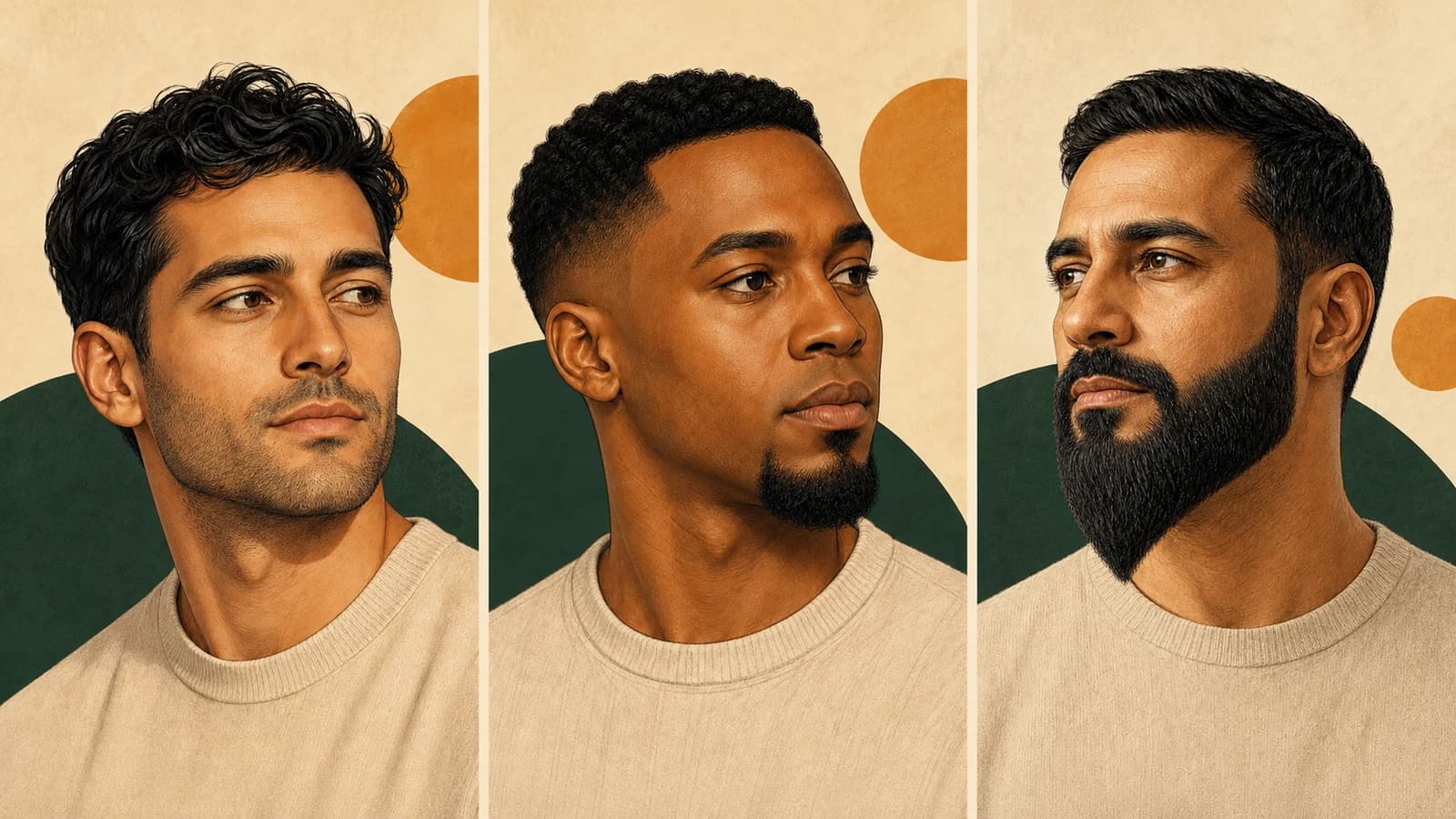
AI-generated illustration, not a customer result.
Maintained by BeardStyles
Latest recorded revision: Updated the style illustrations and AI-image captions, and clarified the broader lower coverage of the Balbo.
Content and source methodA practical guide to comparing beard styles by growth pattern, face-shape goals, workplace needs, and the time you want to spend on maintenance.
A useful beard style starts with your own growth pattern and routine, not a trend list. Density, direction of growth, skin comfort, workplace expectations, and maintenance time all affect how a style looks in practice.
Use this guide as a starting point rather than a rulebook. A style can frame a face in different ways, but the result varies from person to person.
The cover compares Stubble, chin-only Goatee and Ducktail from left to right. All portraits are AI-generated illustrations for comparing coverage and outline, not customer results or exact length predictions.
Where does your beard grow evenly? Check the cheeks, mustache connectors, chin, and jaw separately. A partial style can work with strong chin growth even when the cheeks are sparse.
What shape do you want to emphasize? More length at the chin can create a stronger vertical line. More fullness at the sides can add visual width. Clean borders can make either approach look intentional.
How much maintenance fits your routine? Even stubble needs regular length control. Styles with separated sections or pointed edges usually need more precise trimming.

AI stubble illustration with short all-over hair and skin visible.
Stubble keeps facial hair short enough for the skin to remain visible. A trimmer with a consistent guard helps control length, while a clear neckline prevents the lower edge from looking accidental.
Stubble can be useful when:
Very light or uneven growth may need a shorter guard or a more focused partial style. Try more than one length before deciding which outline you prefer.
See the Stubble beard guide for a closer look at its defining outline and tradeoffs.
A short boxed beard keeps the cheeks, jaw, chin, and mustache connected while controlling bulk. Define the neckline, tidy the cheek line, and shorten any areas that make the outline look wider than intended.
This style often fits professional settings because the overall shape is controlled, but workplace rules and individual growth still matter.
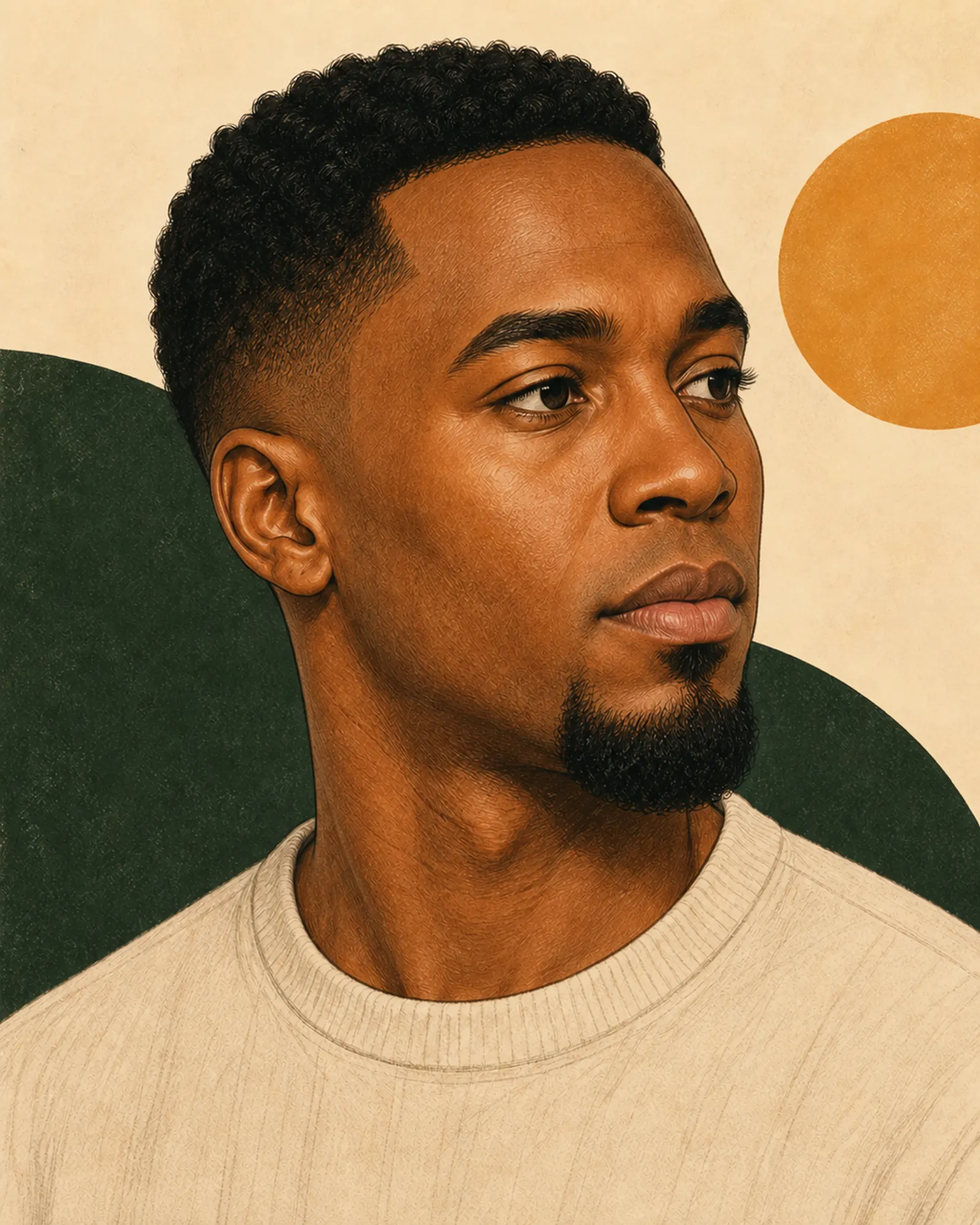
AI goatee illustration with chin-only coverage and a bare upper lip.
A goatee concentrates hair on the chin and keeps the cheeks clean. Leaving modest length below the chin can guide the eye downward, while a shorter rounded shape keeps the effect compact.
It is a practical option when chin growth is stronger than cheek growth. Keep the edges balanced on both sides and check the shape from the front rather than relying only on a close mirror view.
The Goatee beard guide explains how this centered style differs from connected and separated alternatives.
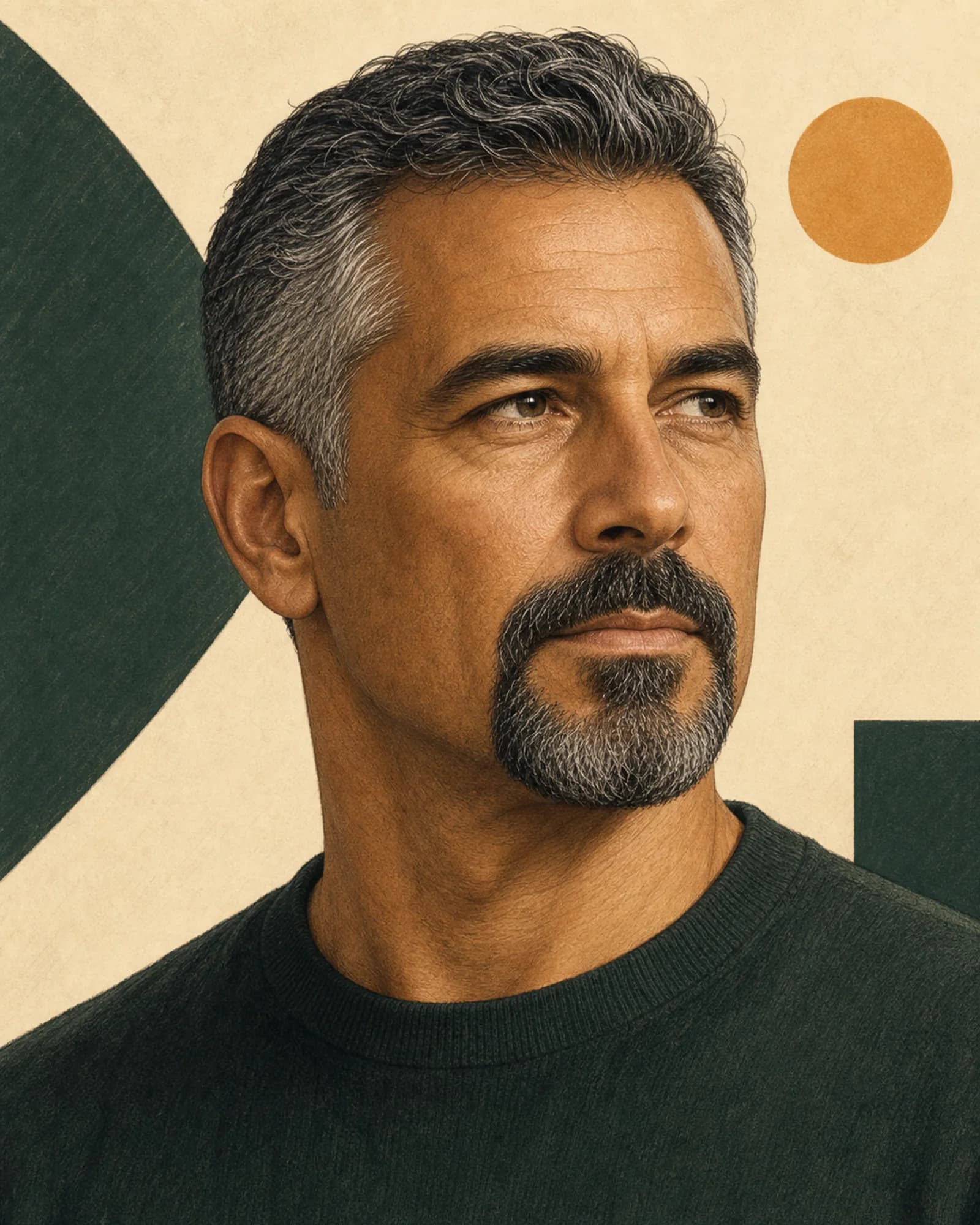
AI circle beard illustration with a closed mustache-to-chin ring.
A circle beard joins the mustache to a rounded chin beard. It offers more coverage around the mouth than a basic goatee without requiring a full cheek beard.
The connectors are the key constraint: if they grow unevenly, a disconnected goatee or Van Dyke may be easier to maintain.
Read the Circle Beard guide for more detail on its closed mouth-and-chin outline.

AI Van Dyke illustration with a separate mustache and pointed chin beard.
The Van Dyke combines a separate mustache with a pointed chin beard. The visible gap between sections is part of the design, so it can work without full mustache-to-chin connectors.
Maintain the separation deliberately and trim the chin point in small steps. Removing too much from one side is harder to correct than leaving a little extra length.
The Van Dyke beard guide takes a closer look at its separated structure and pointed lower shape.
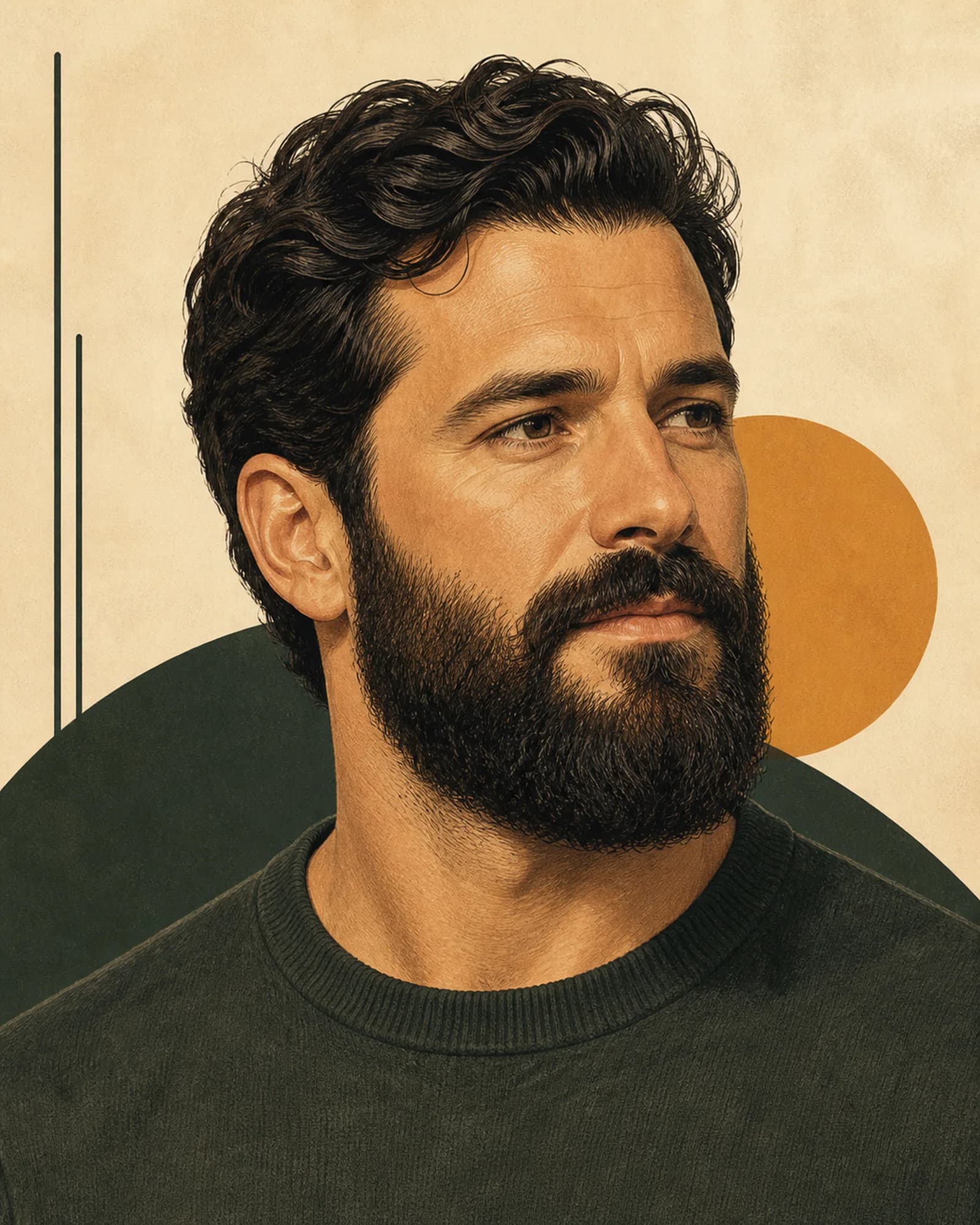
AI full beard illustration with connected cheek, jaw, chin and mustache coverage.
A full beard uses connected growth across the cheeks, jaw, chin, and mustache. Its final density depends on natural growth, and different areas may fill at different rates.
Brush the hair in a consistent direction before trimming. Establish the neckline first, then reduce bulk gradually. Beard oil or balm may help with dryness and manageability, but it does not create new growth.
Use the Full Beard guide to explore its connected coverage and balanced lower outline.
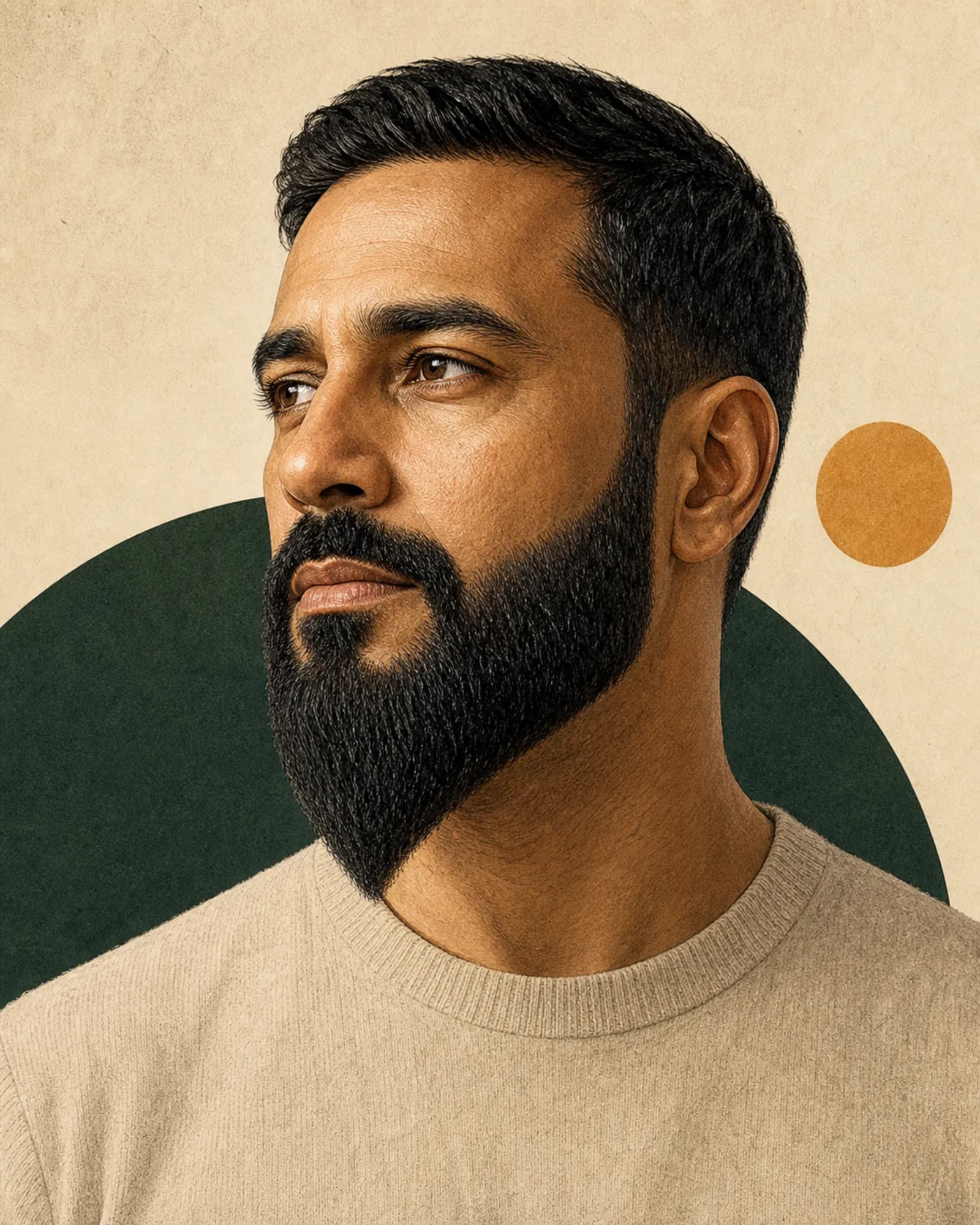
AI ducktail illustration with a full beard tapering to one central point.
A ducktail is a full beard shaped toward a longer point at the chin. The sides are usually kept more controlled so the lower taper remains visible.
The outline can be difficult to reproduce from every angle. A barber can help establish the initial shape; between visits, trim small amounts and check symmetry from the front and sides.
The Ducktail beard guide compares this centered taper with fuller rounded shapes.
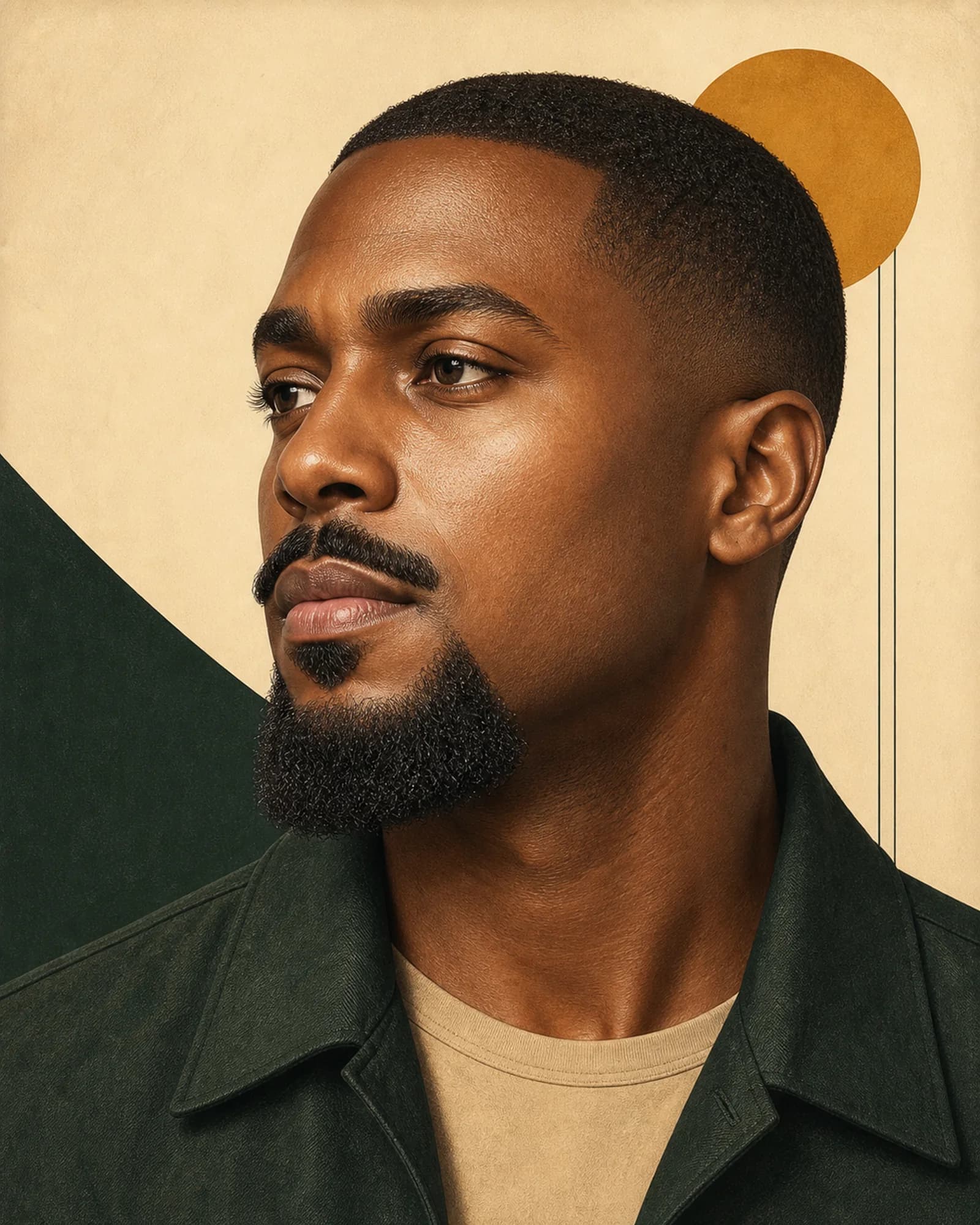
AI Balbo illustration with a separate mustache and broad chin and front-jaw beard.
The Balbo pairs a separate mustache with a broader chin and front-jaw beard, with the cheeks and sideburn connections shaved clear. Keep visible gaps at both mouth corners; the lower-lip patch can join the chin beard. This broader lower outline differs from the narrower pointed Van Dyke.
This style rewards careful edge work. Use a narrow trimmer for the gaps, then step back from the mirror to check whether the sections look balanced together.
Read the Balbo beard guide for a closer look at its separate sections and wider chin area.
Face shape can guide proportion, but it does not determine one correct beard:
These are visual choices, not guarantees. Hair density, head angle, lighting, and personal preference can change the effect.
If a shape is difficult to establish, ask a barber to create the first outline and explain how to maintain it at home. That is ordinary grooming help, not an endorsement of a particular shop or professional.
BeardStyles can generate an AI preview from a photo and selected style. The preview may help you compare broad shapes and coverage before growing or trimming.
It is not a prediction of the exact real-world result. Output varies with the photo, lighting, face shape, natural hair growth, and model generation. Use it alongside the practical considerations above.
Browse the available styles, choose a clear front-facing photo, and compare more than one option.
| Style | Typical maintenance | Growth pattern to check | Useful starting goal |
|---|---|---|---|
| Stubble | Frequent length control | Even short growth | Low-profile definition |
| Short boxed beard | Regular border cleanup | Connected jaw and cheek growth | Controlled full coverage |
| Goatee | Precise chin edges | Stronger chin growth | Vertical emphasis |
| Circle beard | Connector cleanup | Mustache-to-chin connections | Mouth and chin framing |
| Van Dyke | Precise separated sections | Chin and mustache growth | Distinct partial style |
| Full beard | Bulk and border control | Connected overall growth | Fuller coverage |
| Ducktail | Careful taper shaping | Enough chin length | Pointed lower outline |
| Balbo | Detailed edge work | Separate mustache and chin growth | Sculpted partial coverage |
Questions about BeardStyles? Contact us.
Compare six beard lengths in millimeters and approximate inches, then learn how to test a model-specific trimmer setting conservatively.
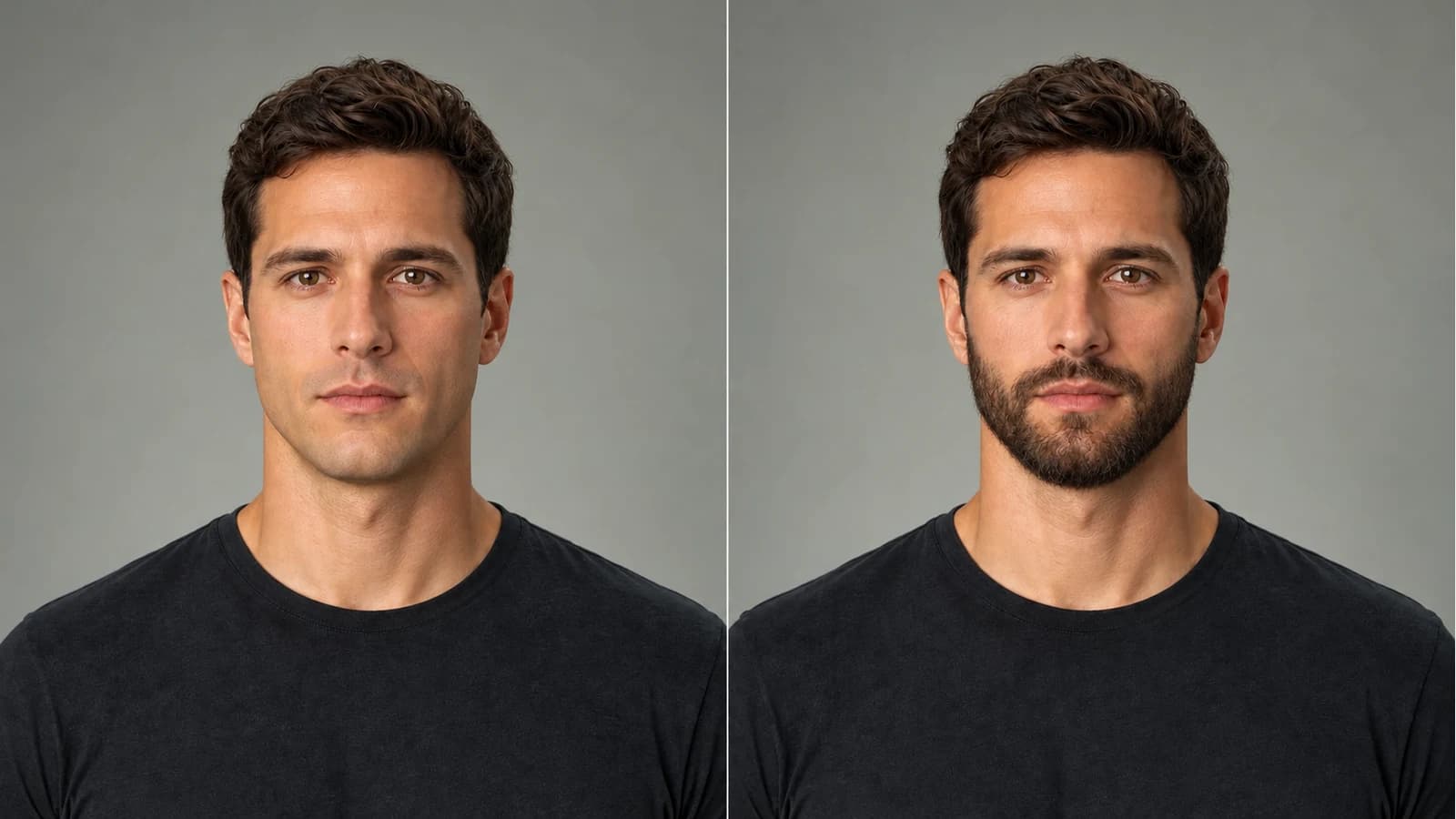
AI-generated illustration, not a customer result.
See how BeardStyles turns a photo and selected beard style into an AI preview, what the preview can help compare, and where its limits matter.
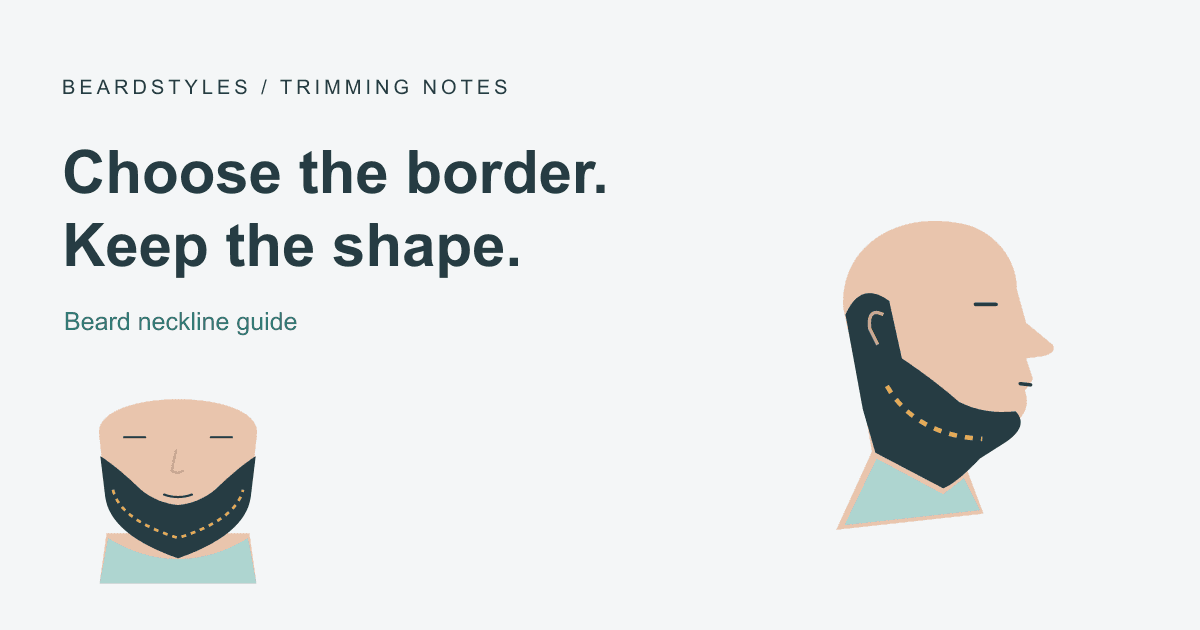
Learn how to choose a beard neckline, inspect it from the front and sides, trim in small sections, and avoid cutting the border too high.
Stay Styled
Subscribe for the latest AI beard styles, grooming tips, and platform updates