Recommended Styles
Short Beard Styles
Length and coverage are separate choices. A short beard can cover the cheeks and jaw or focus on a small area. Compare the shapes, your growth pattern and the borders you are willing to maintain.
AI previews and grooming results can vary.
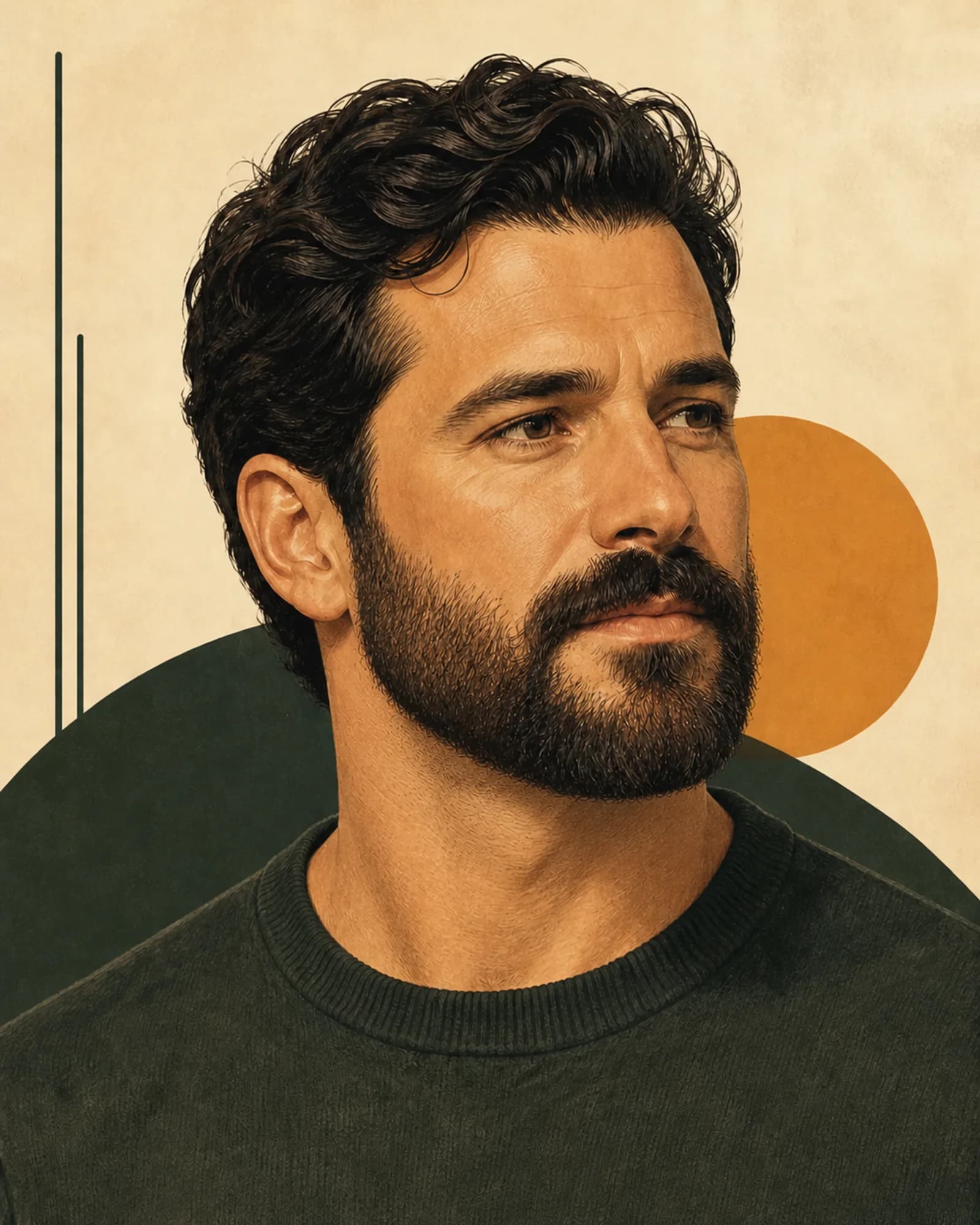
Choose length and coverage separately
Short, medium and long have no universal millimeter boundaries. Density, curl and camera angle also affect appearance. Compare visible bulk and outline in the images, then measure dry, combed hair and record the sides and chin separately. Try-on selects a shape, not an exact length.
Read the millimeter chart and trimmer guidanceCompare short beard coverage and upkeep
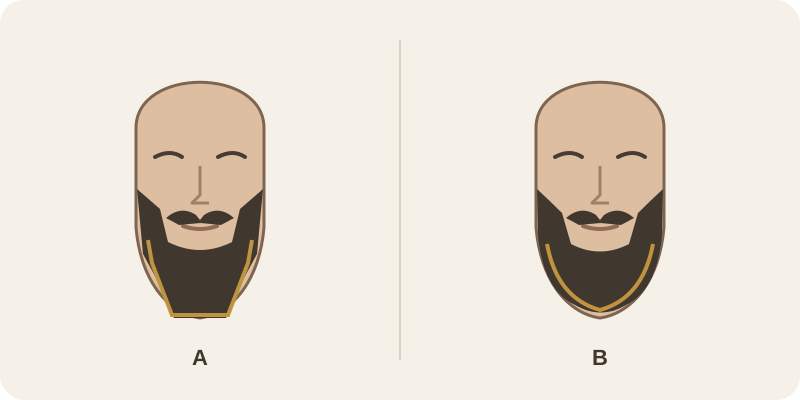
Compare 6 shapes below. 4 have existing beard previews; Short Boxed and Short Full are reading references. The mustache alternative is listed separately.
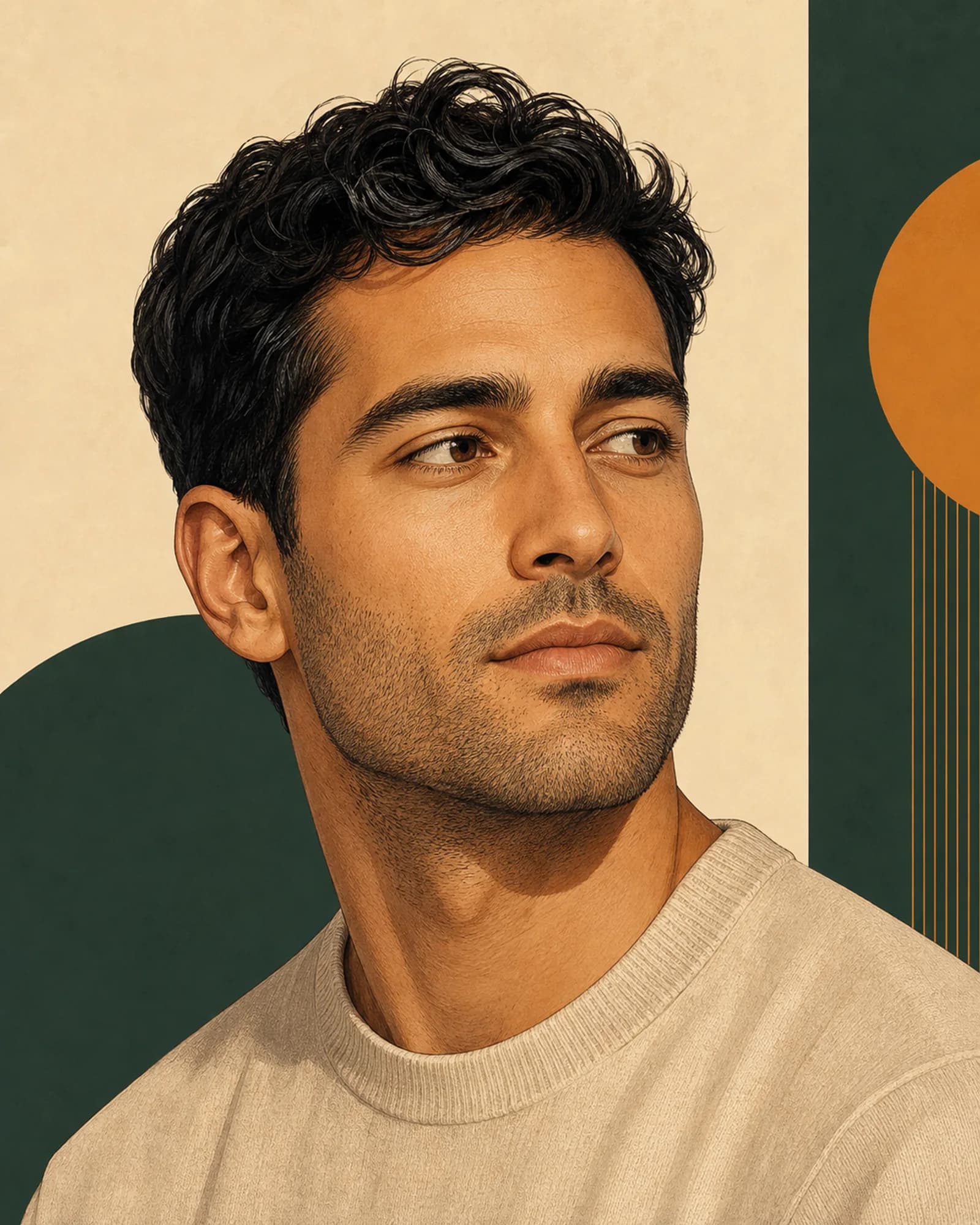
AI shape example, not a millimeter measurement
Stubble
Existing AI preview · approximate shape, not a millimeter measurement
- Coverage
- Broad, short coverage across the beard area with skin still visible.
- Choosing a length
- Start longer on dry, combed hair and shorten in steps until the amount of visible skin suits you.
- Growth pattern
- Works with your existing growth pattern; gaps remain visible rather than becoming filled in.
- Trimming and upkeep
- Maintain the overall length separately from the cheek and neckline borders. Check both as the hair grows.
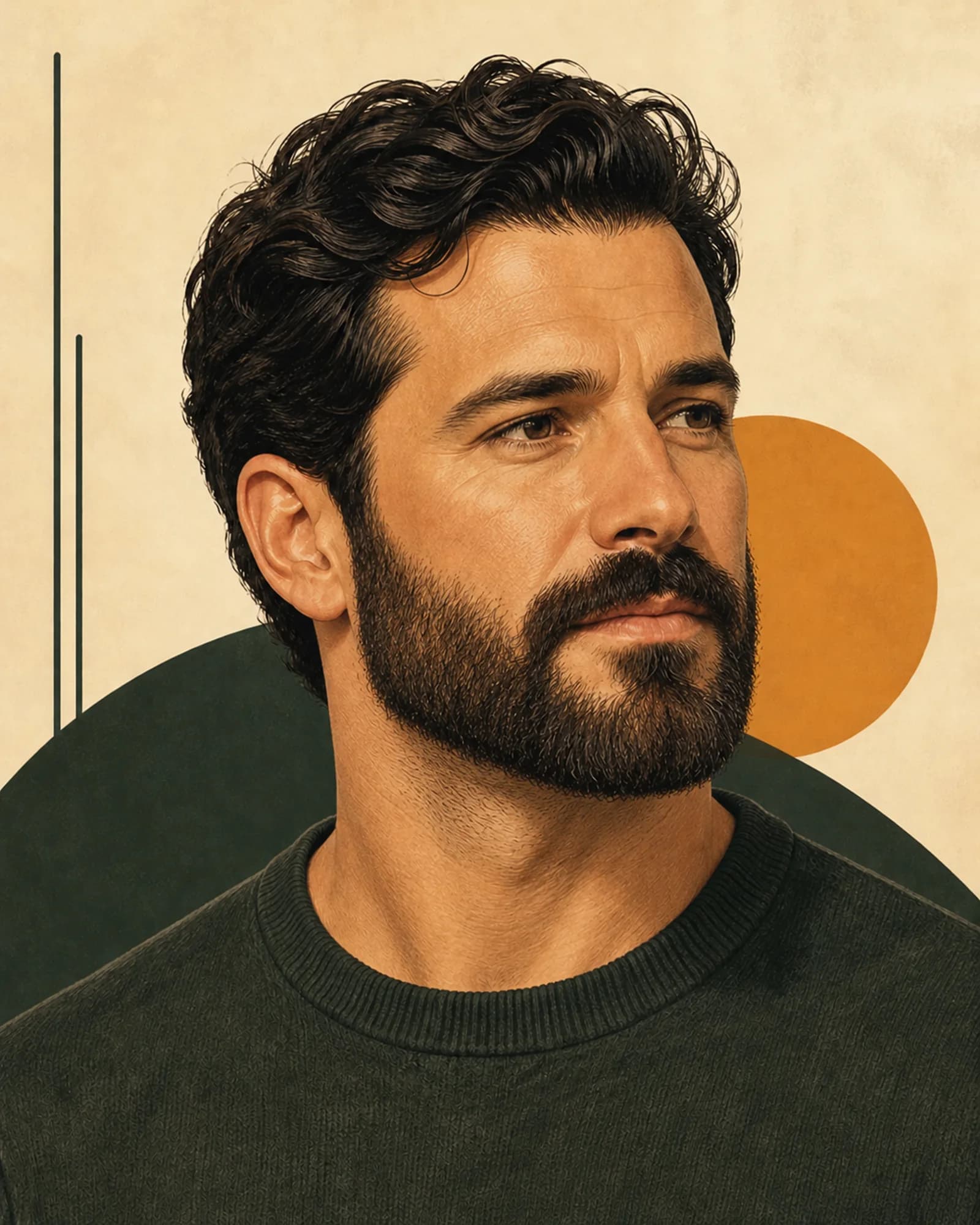
AI shape example, not a millimeter measurement
Short Boxed Beard
Shape reference · no dedicated try-on
- Coverage
- Full cheek, jaw and chin coverage with straighter sides and a more squared lower edge.
- Choosing a length
- Keep enough length to shape the border. Begin longer and compare the side-to-chin proportions before shortening.
- Growth pattern
- Needs coverage along the cheeks and jaw to support the outline; trimming cannot create missing density.
- Trimming and upkeep
- Refine the sides and lower edge deliberately, keeping both sides balanced. A crisp border needs repeat touch-ups.
AI shape example, not a millimeter measurement
Short Full Beard
Shape reference · no dedicated try-on
- Coverage
- Full cheek, jaw and chin coverage with a softer, more natural lower edge.
- Choosing a length
- Start longer, then reduce bulk gradually while preserving coverage. Record side and chin settings separately.
- Growth pattern
- Compare the continuity of your cheek and jaw growth before choosing a full outline.
- Trimming and upkeep
- Follow the natural lower curve and trim stray hairs. The softer edge trades a precise boxed border for a less sculpted outline.
AI shape example, not a millimeter measurement
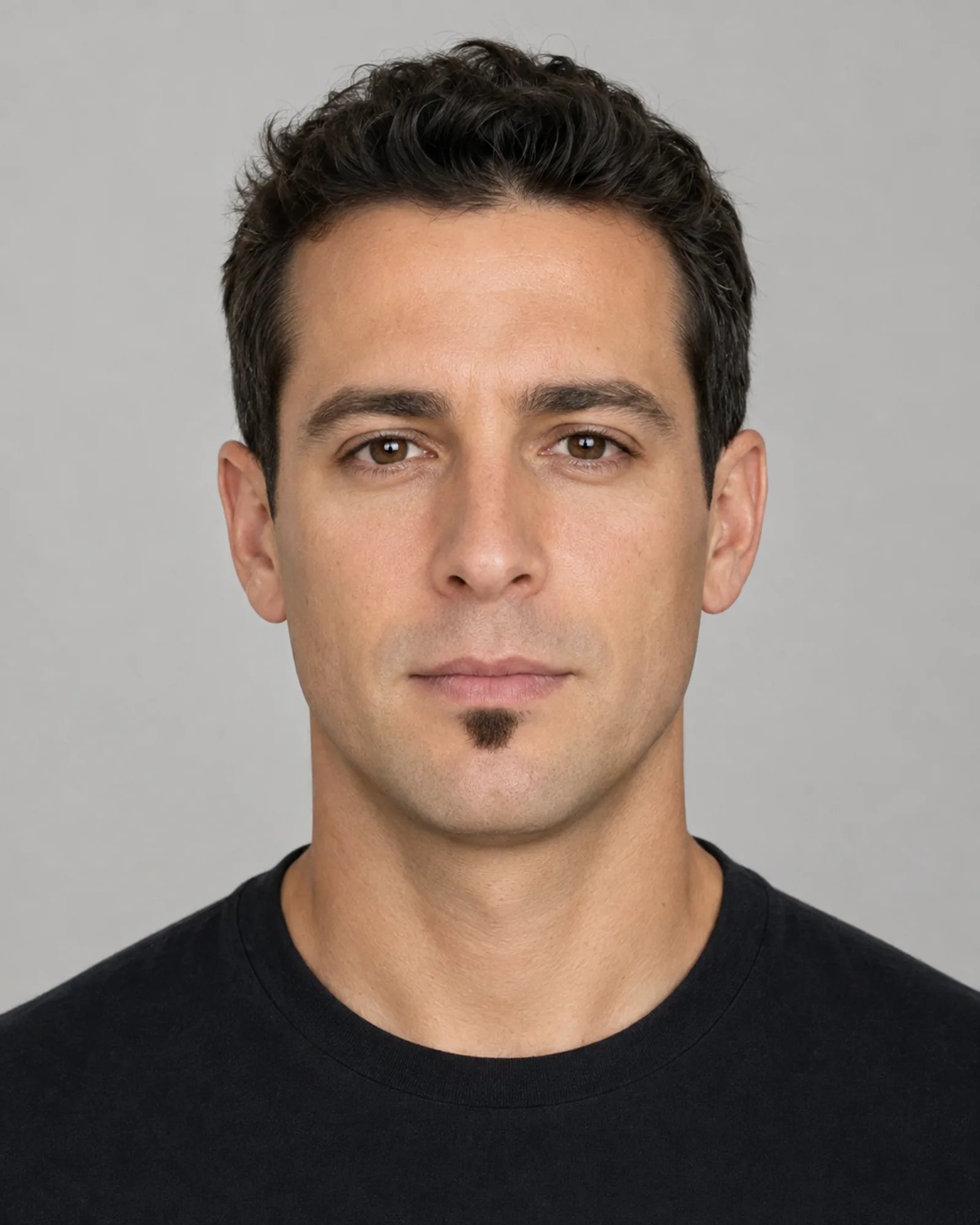
Soul Patch
Existing AI preview · approximate shape, not a millimeter measurement
- Coverage
- A small patch below the lower lip; cheeks, jaw and surrounding chin stay shaved.
- Choosing a length
- Test a longer setting on the patch first, then reduce it gradually while checking its width and projection.
- Growth pattern
- Uses growth directly below the lip. It does not provide full cheek or jaw coverage.
- Trimming and upkeep
- Keep the patch centered and symmetrical, and shave the surrounding area without narrowing it unevenly.
AI shape example, not a millimeter measurement
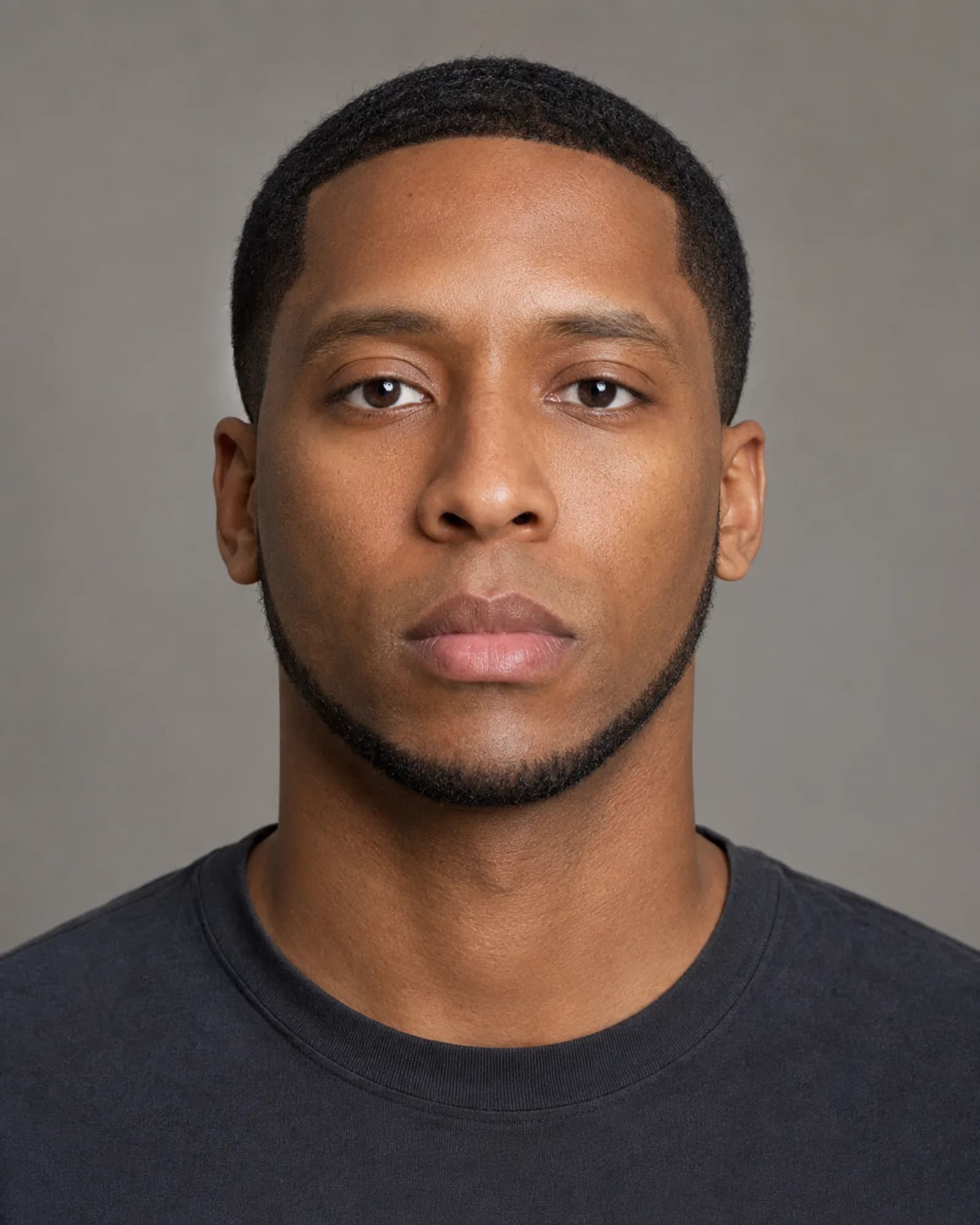
Chin Strap
Existing AI preview · approximate shape, not a millimeter measurement
- Coverage
- A narrow band following the jawline, with the cheeks and upper lip shaved.
- Choosing a length
- Begin longer and shorten gradually. Check the band width separately from the hair length.
- Growth pattern
- Needs enough continuity along the jaw for a connected band; gaps can interrupt the line.
- Trimming and upkeep
- Compare both sides for equal width, then maintain the cheek boundary and neckline without thinning one side too far.
AI shape example, not a millimeter measurement
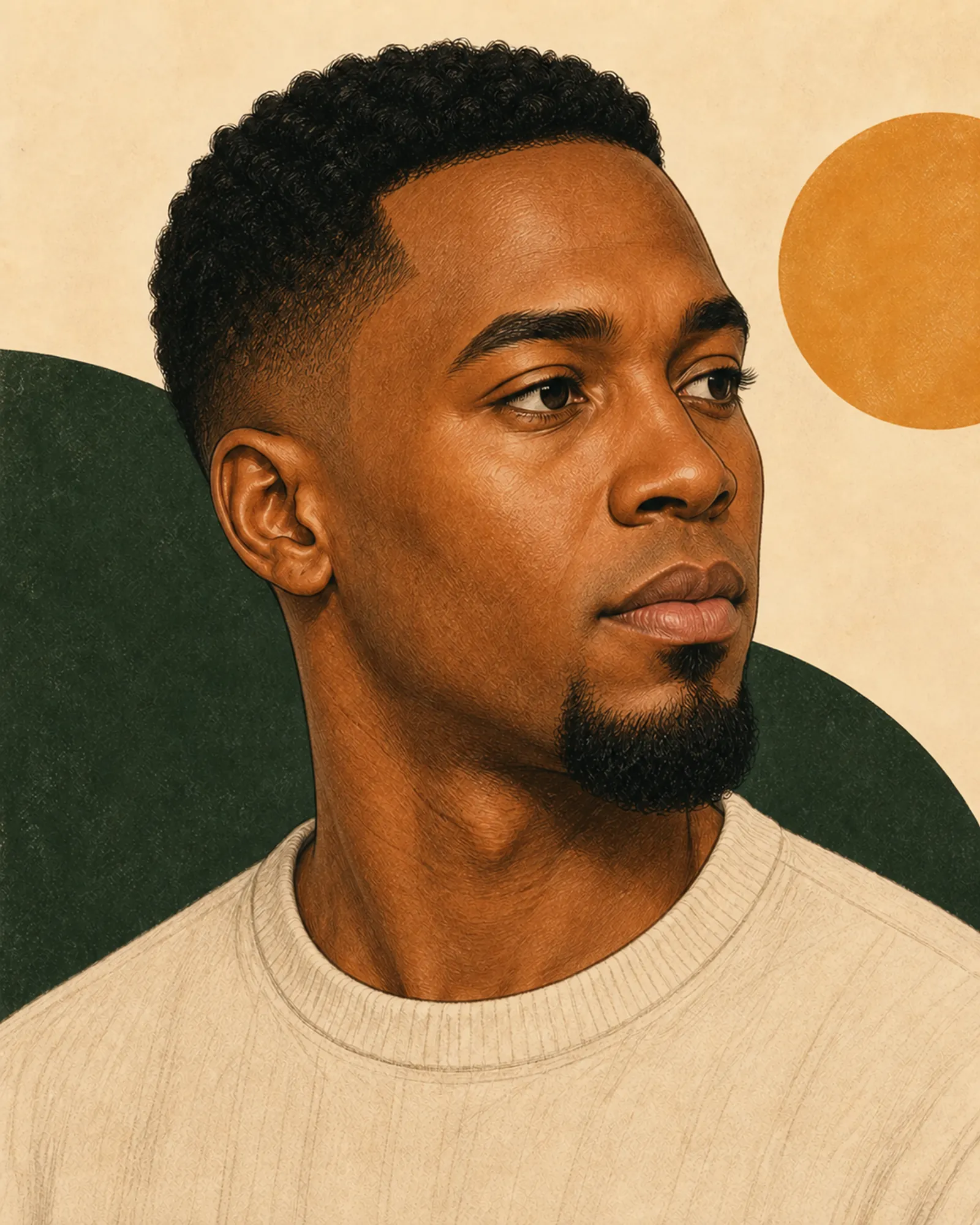
Goatee
Existing AI preview · approximate shape, not a millimeter measurement
- Coverage
- This site’s Goatee preview focuses on the chin, with the upper lip and cheeks shaved. Circle Beard includes a connected mustache.
- Choosing a length
- Start longer at the chin, check the front and side profile, and shorten in steps to control projection.
- Growth pattern
- Uses stronger chin growth without relying on cheek coverage or an upper-lip connection.
- Trimming and upkeep
- Keep the chin outline balanced and maintain the shaved upper lip and cheeks separately.
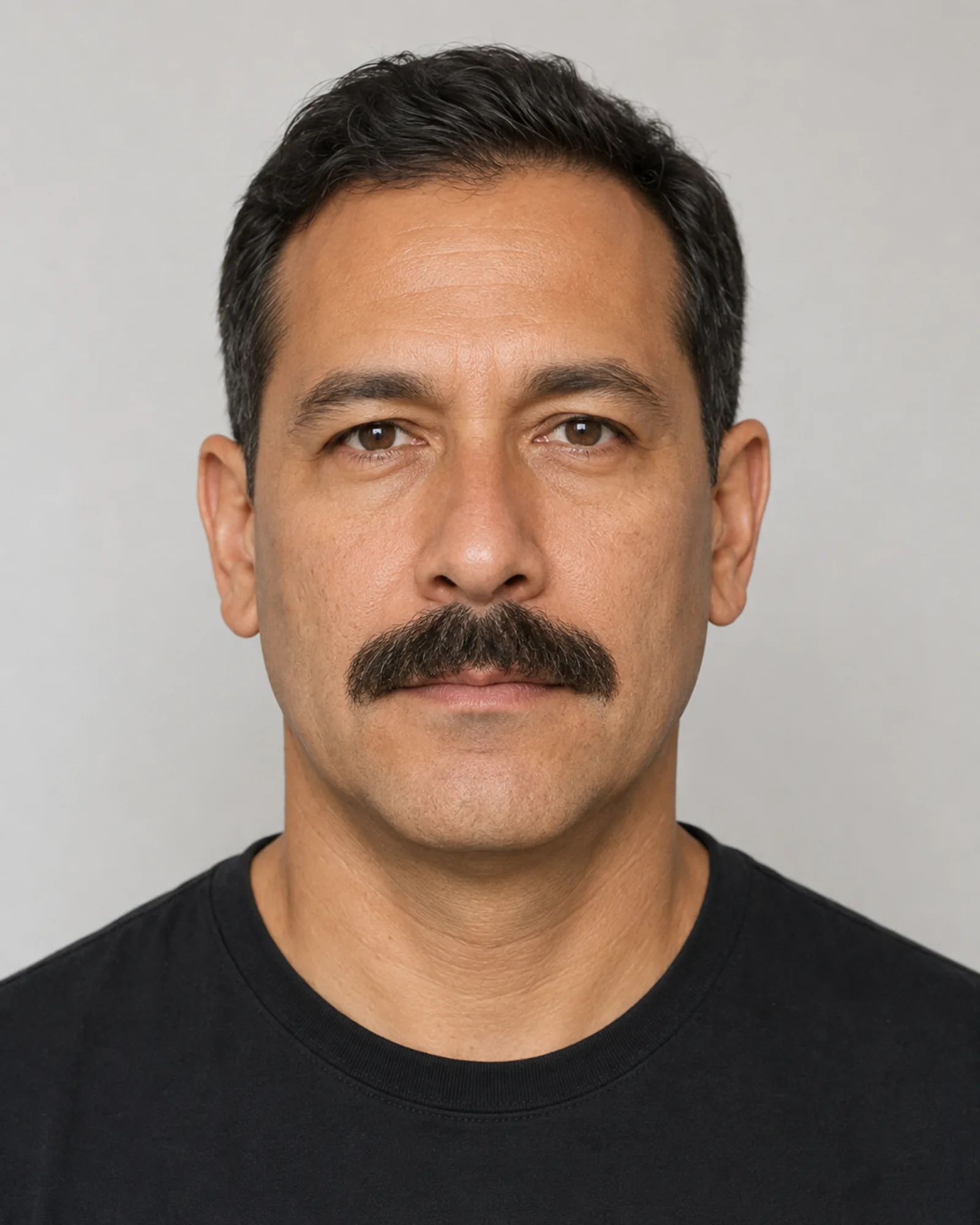
Mustache alternative
For upper-lip coverage with the cheeks and chin shaved, consider this separate category. It is not a complete short beard.
AI shape example, not a millimeter measurement
Chevron
Keep the lower edge clear of the lip and check both outer ends for balance. Start with a longer setting and reduce it gradually; maintain the shaved cheeks and chin separately.
How to Choose Short Beard Styles
Start with the amount of shadow you want
Short beard styles range from light stubble to a compact boxed beard. Stubble works well when you want visible texture with minimal shaping, while a goatee or chin strap creates a more deliberate outline. Consider how much contrast you want between clean-shaven skin and facial hair before choosing a setting.
Keep the routine simple and consistent
Short hair still needs regular trimming because small changes are easy to see around the neckline, cheeks, and mustache. Use a consistent trimmer length, clean the edges, and moisturize the skin if frequent shaving causes dryness. A short style should fit naturally into your work and weekend routine.
Compare shape before trimming
Use the available Stubble, Soul Patch, Chin Strap and Goatee previews to compare broad coverage with your photo. Short Boxed and Short Full are illustrated reading references, with no dedicated preview. Check the front and side proportions in a mirror before trimming; a preview cannot set an exact length.
Short Beard Style FAQ
How long does it take to grow a short beard?
There is no fixed number of days. Growth rate, density, curl and your starting length affect when a short shape becomes visible. Check the actual coverage and length before deciding where to place the borders.
Are short beard styles professional?
That depends on your workplace and its grooming requirements. A defined neckline and tidy edges can make a short beard look more deliberate, but no style fits every dress code.
Other Lengths
By Face Shape
Popular Guides
Try AI Beard Generator
Upload a clear photo, choose a beard style, and use the AI generator to preview the look before you commit to growing or trimming it.