Style Selection
Beard Styles Without a Mustache: Compare the Coverage
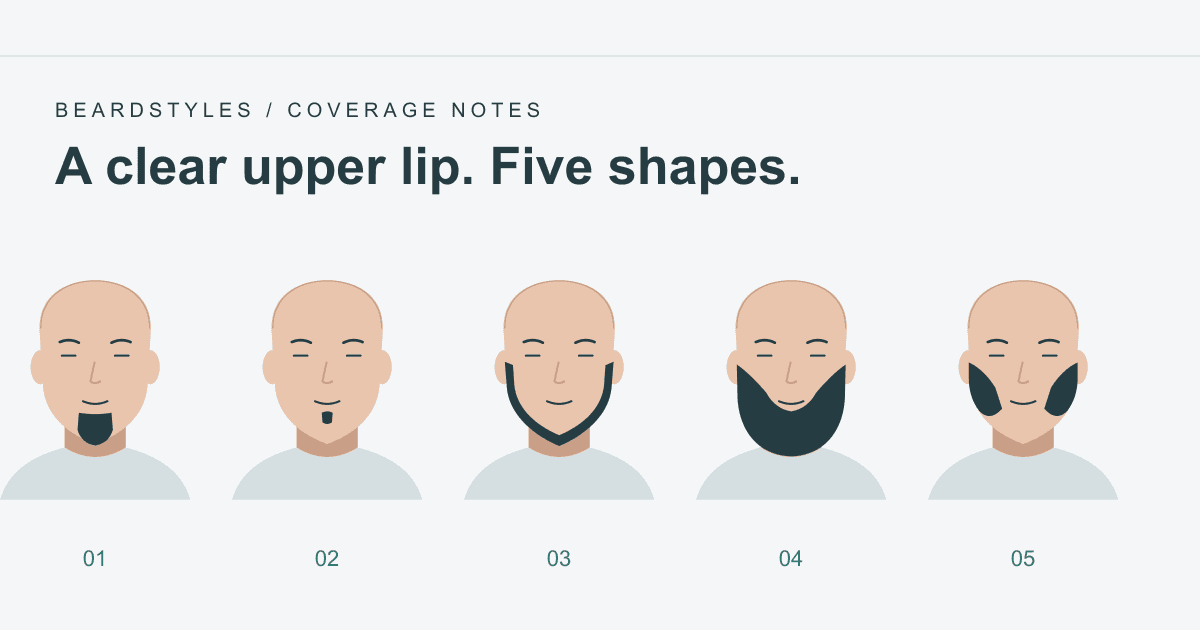
Compare five existing beard styles that keep the upper lip clear, from a Soul Patch or Goatee to Chin Strap, Dutch Beard, and Mutton Chops.

Maintained by BeardStyles
Latest recorded revision: Clarified the ruler comparison for curled hair and the manual citation, listed the BT5210 comb ranges, and made the FAQ about trying a shorter setting more conservative.
Content and source methodCompare six beard lengths in millimeters and approximate inches, then learn how to test a model-specific trimmer setting conservatively.
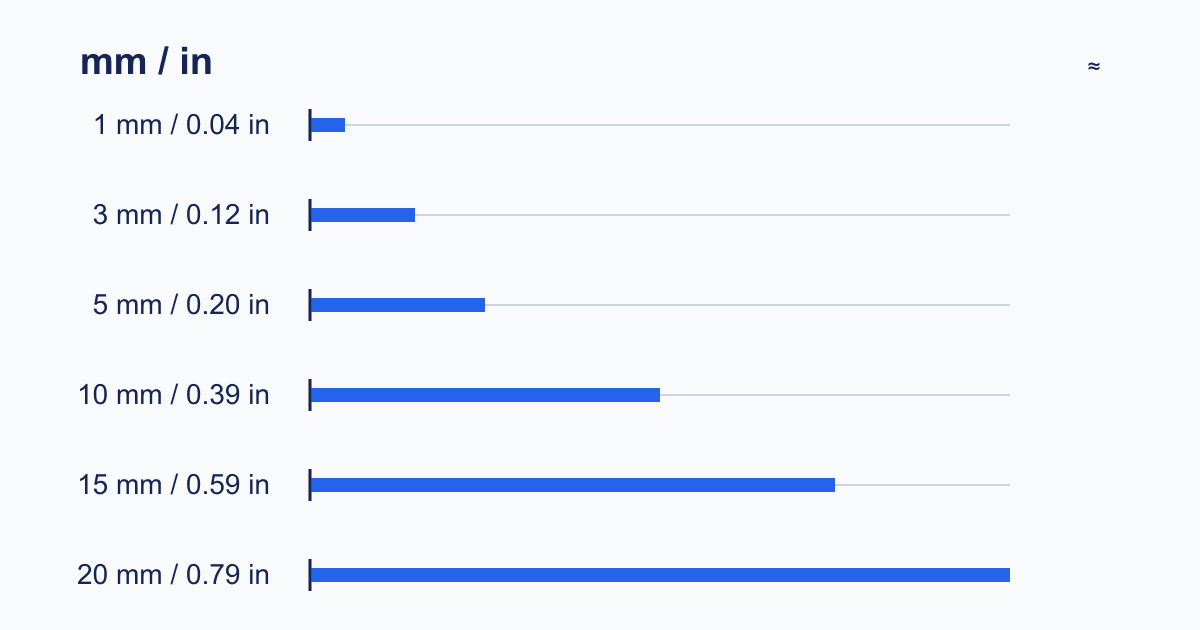
Millimeters describe hair length. They do not define a beard style on their own: coverage across the cheeks, jaw, chin, and mustache, plus the borders you create, also determine the shape. Labels such as short, medium, and long are useful descriptions, but there is no single classification used by every barber, brand, or wearer.
The inch figures below are approximate, calculated as millimeters divided by 25.4.
| Millimeters | Approximate inches |
|---|---|
| 1 mm | 0.04 in |
| 3 mm | 0.12 in |
| 5 mm | 0.20 in |
| 10 mm | 0.39 in |
| 15 mm | 0.59 in |
| 20 mm | 0.79 in |
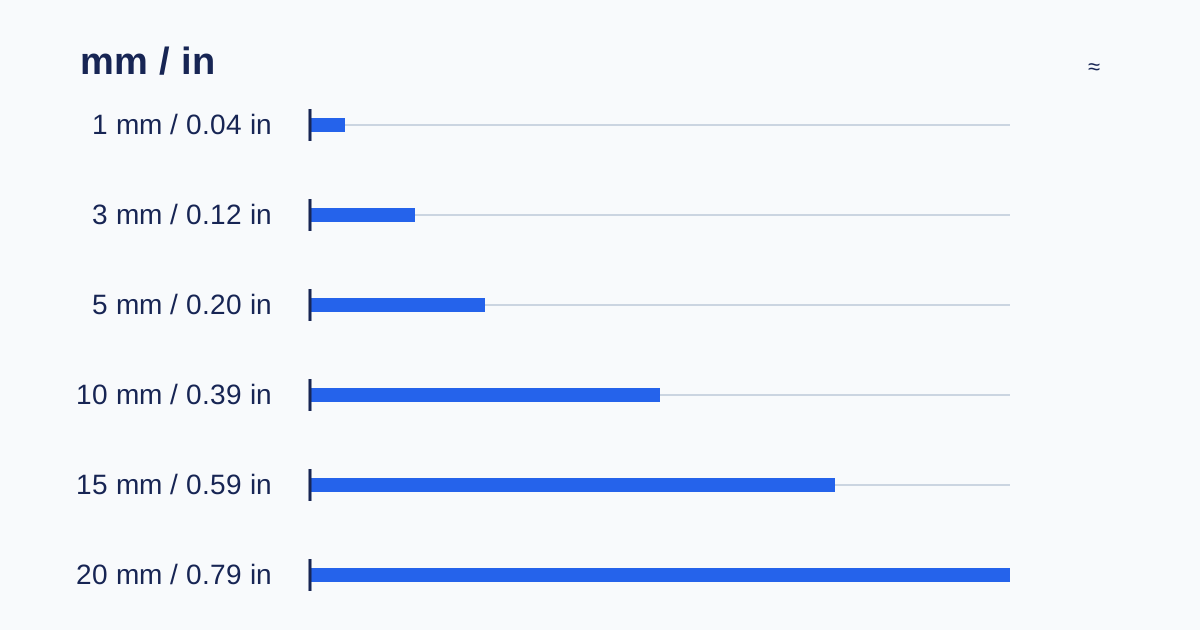
The line drawing is a proportional reference, not a promise of how a given length will look on a face. Screen size also changes the physical size of the graphic, so use the values rather than measuring the image with a ruler.
With your beard dry and combed in its usual direction, hold a millimeter ruler near the skin to roughly compare the visible distance from where a representative hair emerges to its tip, without stretching the hair. For a curl, this distance differs from the full length along the curved hair shaft and does not predict the length a trimmer setting will leave. Do not press the ruler into your skin.
Separately, the Philips Norelco BT5210 manual says facial hair is easier to trim when dry and directs users to comb the beard before trimming. That supports the preparation advice; the manual does not describe the ruler comparison above.
A measurement taken with a ruler is different from a trimmer's nominal setting. Start with a longer setting than your target, test a small, less visible area, and shorten it in steps. This leaves room to stop before removing more hair than intended.
Write down the settings that work for the sides and chin separately. Hair direction and density can make one setting look different across those areas, and the number printed on a tool is easier to reproduce when you record the exact attachment and trimmer model too.
A guard number is not a universal length conversion. Check the manual for the exact brand, model, and attachment in your hand.
For this BT5210, the manual lists a 0.4–7 mm range for both the beard/stubble comb and the short hair comb. The separate long hair comb covers 7–13 mm. These ranges apply only to that model and those named attachments; they do not establish a numbering system for other trimmers.
Curl pattern changes how far hair projects from the face. Density changes how much skin shows through. Hair color, skin contrast, and lighting can make the same measured length look fuller, lighter, sharper, or softer.
The chart therefore compares numbers, not exact outcomes. A generated preview or style illustration can help compare broad coverage and outline, but it cannot guarantee a precise millimeter result on your own beard.
First choose a rough length, then decide where the beard will cover the face and where its borders will sit. A 5 mm stubble outline and a 5 mm goatee use the same nominal length but create different shapes because their coverage differs.
The beard neckline guide explains how to choose the lower border separately and check it from the front and sides before trimming.
Maintain the length by checking it rather than relying on a promised number of growth days. Growth rate, curl, density, and the amount removed each time differ between people and between areas of one face. There is no maintenance interval that fits everyone.
Use the short beard styles guide to compare compact full and partial shapes. Then look at the Stubble guide for short all-over coverage or the Goatee guide for a chin-focused outline.
For a separate mustache and narrow front-jaw arms around a pointed chin, compare the Anchor guide. Its outline is a different decision from the hair length.
Does the same guard number always produce the same length?
No. Numbering and attachment ranges vary by manufacturer and model. Use the manual for the exact tool and attachment.
Why does my beard look different from a photo at the same stated length?
Density, curl, color, growth direction, lighting, camera distance, and outline all change the visible result. A stated length describes only one part of the comparison.
What is a more conservative way to try a shorter setting?
Work on dry, combed hair, begin longer than your goal, test a small area, and reduce the setting one step at a time. Record the final settings for each area.
Compare five existing beard styles that keep the upper lip clear, from a Soul Patch or Goatee to Chin Strap, Dutch Beard, and Mutton Chops.
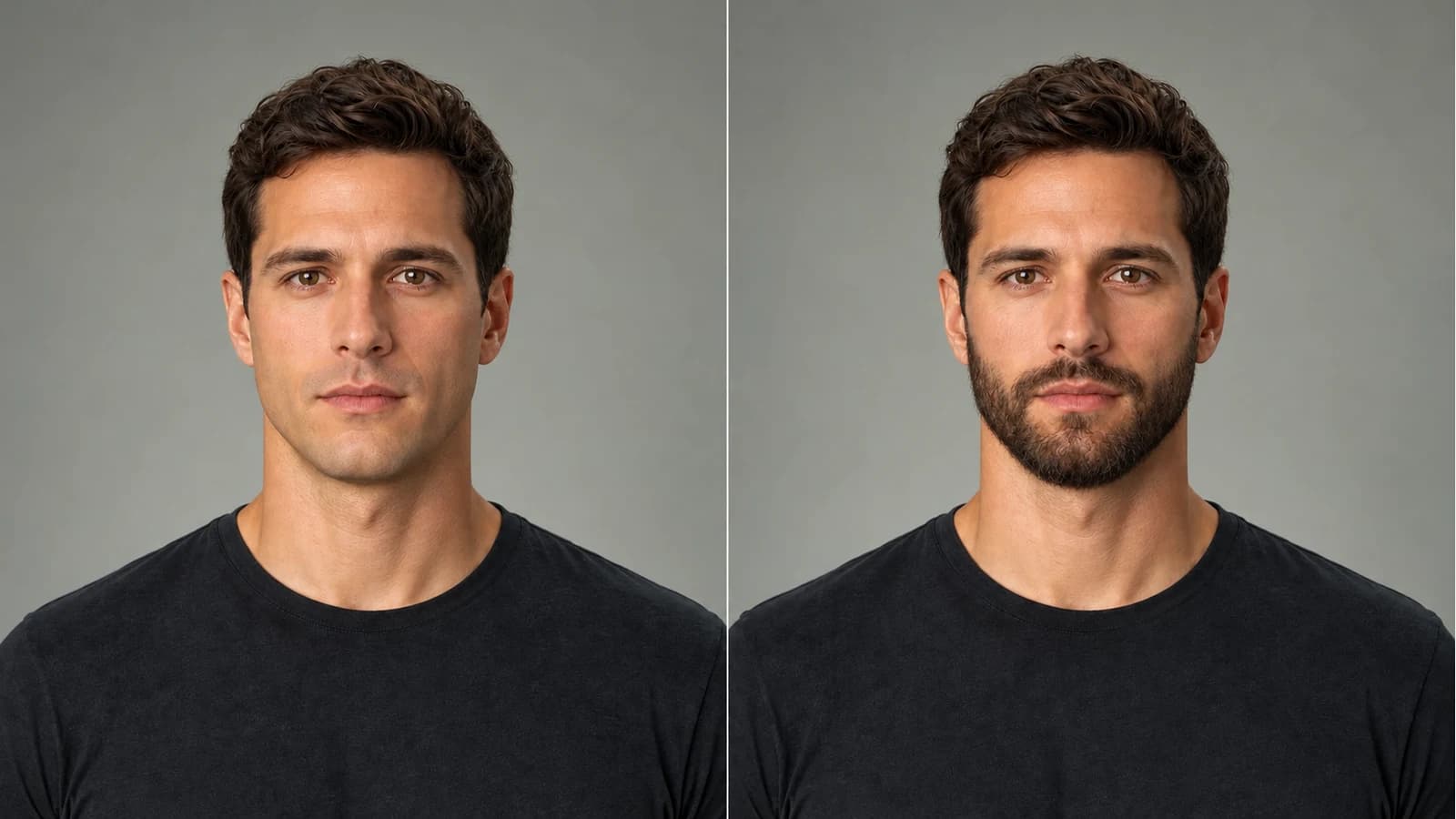
AI-generated illustration, not a customer result.
See how BeardStyles turns a photo and selected beard style into an AI preview, what the preview can help compare, and where its limits matter.
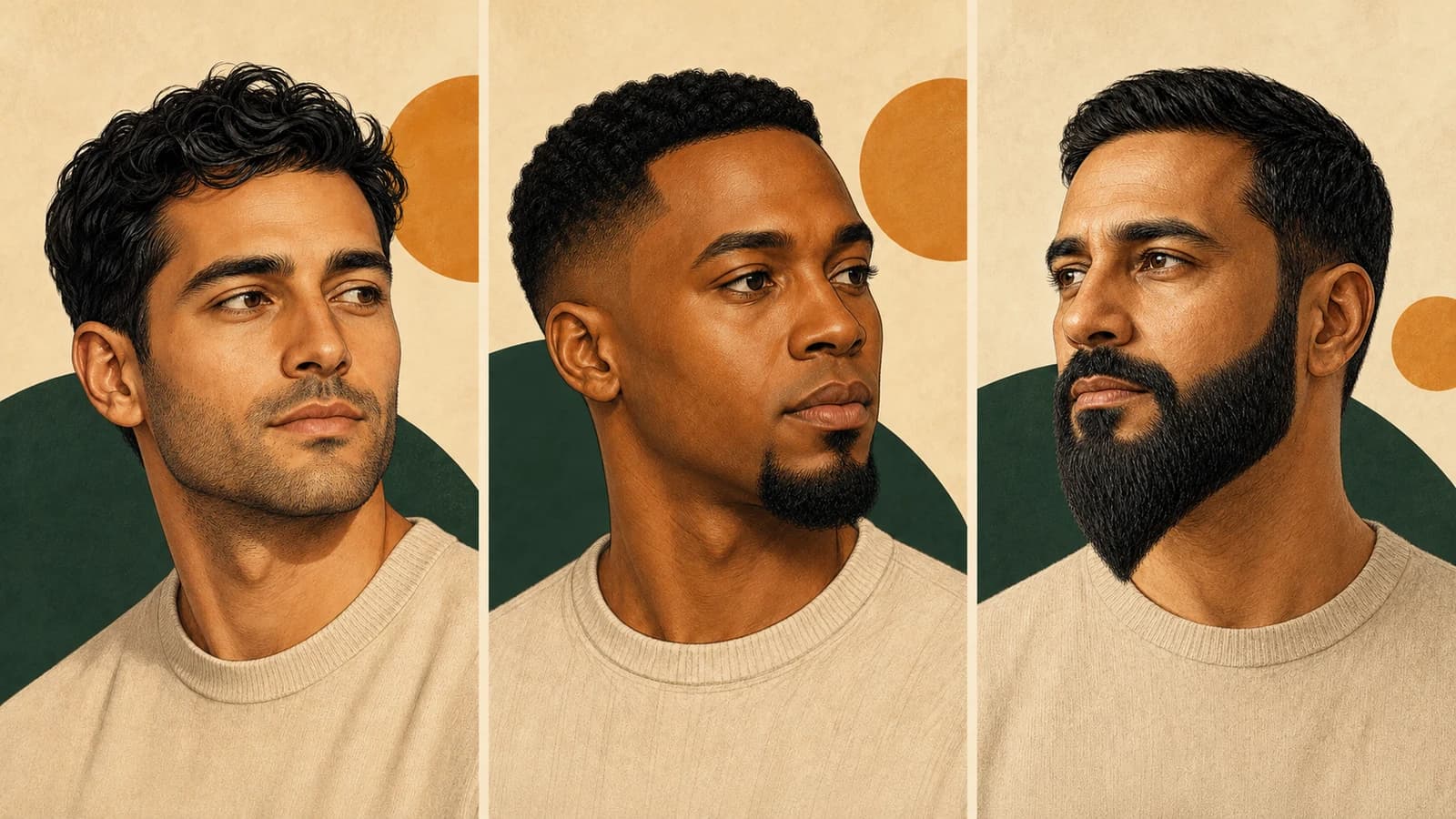
AI-generated illustration, not a customer result.
A practical guide to comparing beard styles by growth pattern, face-shape goals, workplace needs, and the time you want to spend on maintenance.
Stay Styled
Subscribe for the latest AI beard styles, grooming tips, and platform updates