
Care notes · Oil and balm
Softer beard. Or a shape that stays put?
Compare beard oil, conditioning balm and styling balm. Read the actual use directions and choose a simple routine without assuming you need both.
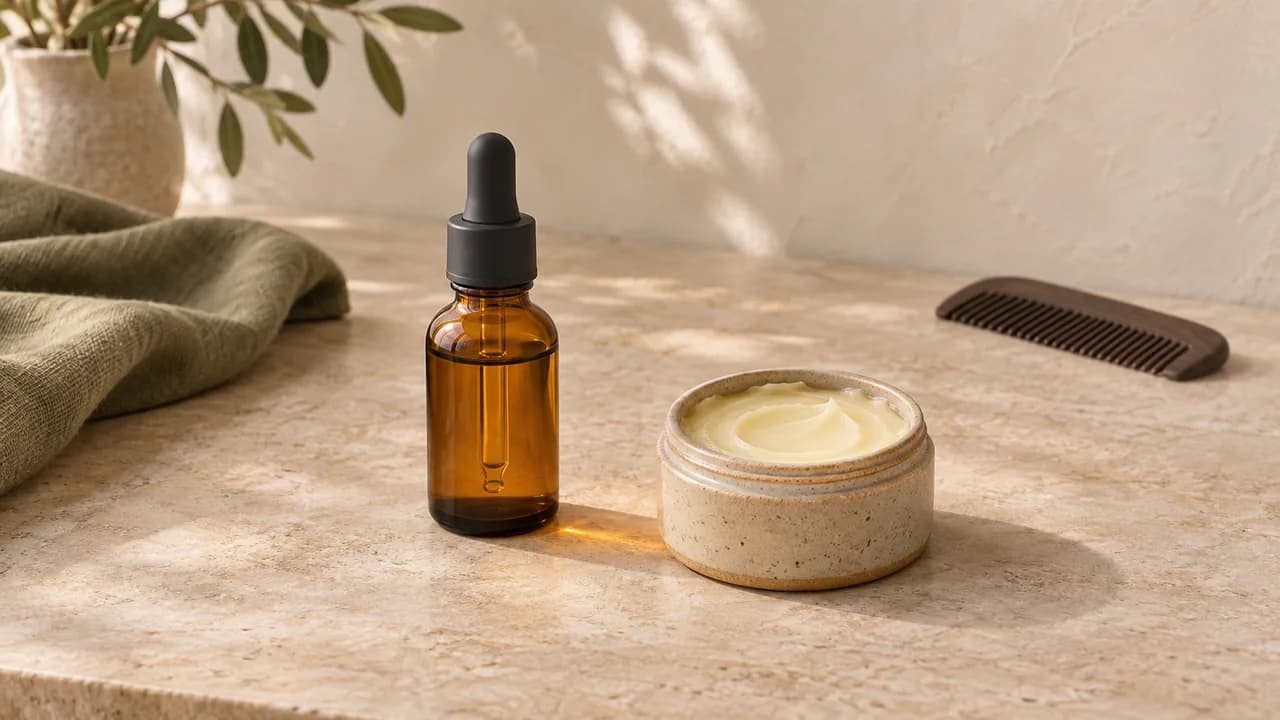
In this guideStart with the job
Beard oil is usually a liquid conditioning product. “Balm” is a broader name: some formulas focus on conditioning, while others focus on hold. Choose the job you want done, then check the actual product directions. A beard-care routine does not automatically need both.
Separate softness from shape.
A beard can feel rough without needing a firmer outline. It can also feel comfortable while some hairs sit outside the shape you want. Those are different reasons to consider a product, so decide what you want to change before adding another layer.
Gillette’s comparison describes liquid oil and thicker, creamier or waxier balms. That is a useful texture starting point, but the product name alone does not establish its formula or hold. Beard length is context, rather than an automatic shopping list.
Compare the purpose, not just the jar.
The useful distinction is not simply “oil for short beards, balm for long ones.” Look at these three roles, then check which role the product actually claims.
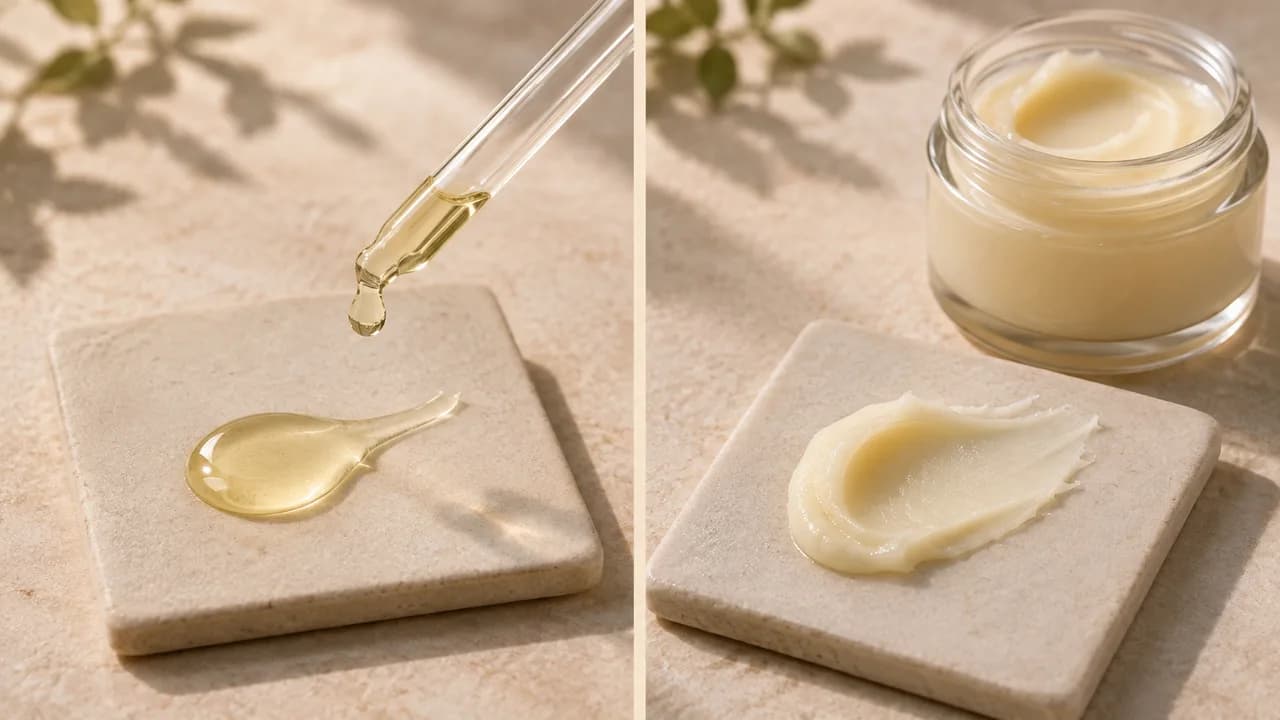
Beard oil · Liquid conditioning
Oil is usually easy to spread through the beard. Consider it when a lighter conditioning feel is the main aim, rather than expecting it to fix a precise silhouette. Beardbrand describes its oil as a conditioning choice; that is not evidence that every oil feels equally light or leaves the same finish.
Conditioning balm · A richer feel
A conditioning balm or cream may offer a thicker feel and some light control. Beardbrand’s Utility Balm is one example of a balm positioned primarily as a conditioner. This does not make every balm a strong styling product, and a creamy texture does not tell you how much to apply.
Styling balm · More attention to hold
Some balms are designed chiefly to help arrange the outline. Beardbrand distinguishes its Styling Balm from its conditioning Utility Balm and describes different hold. These are that brand’s categories, not a universal naming system. Read the intended function before choosing by the word “balm.”
Check what the product asks you to do.
Look for its stated purpose, hold description, ingredients and use directions. Waxes or butters can help explain a formula, but the presence of one ingredient is not a rating of its strength. A product sold as beard butter, balm or softener may sit in an overlapping category.
For example, the King C. Gillette Beard Softener page presents both leave-in conditioning and a wash-off option. That applies to the named product, not every balm. Confirm whether your own product stays in or is rinsed out, and use the current packaging directions rather than borrowing an exact dose or timing from a general comparison.
Keep the comparison simple.
Start with one product used as its label directs. Notice the feel, visible residue, shine and whether the outline stays where you want it during your normal day. Change one part of the routine at a time so you can tell what you prefer. Our suggested observations are a personal checklist, not a product test or a promise of results.
If conditioning already feels sufficient but you still want more control, check a product explicitly intended for styling instead of automatically adding more conditioner. Beardbrand suggests choosing oil or Utility Balm first, then adding Styling Balm if extra hold is wanted. Its layering advice is brand-specific; two conditioning products are not a compulsory pair.

Before adding another product.
Do I need oil and balm together?
Not automatically. First decide whether you want conditioning, hold or both, then check what your current product already does. If you layer products, follow their directions and judge the combined feel; owning a longer beard is not by itself a reason to buy two.
Does balm always hold more than oil?
A dedicated styling balm may offer more control, while a conditioning balm may provide only a little. Names and formulas vary. The stated hold and intended use are more informative than the container or product name alone.
Can a photo or AI preview tell me which product performs better?
No. An image may help you discuss a beard outline, but it cannot show how a formula feels or prove its holding power over a day. Use our style guides to compare shapes, and assess products from their directions and your actual use.
Where the comparison comes from.
Sources checked on November 5, 2026. Brand examples illustrate differences in product naming and purpose, not a ranking or a recommendation to buy. We have not tested these products; the pictures are AI-generated concepts.
- Gillette UK · Oil, balm and butter comparison
- Beardbrand · Oil and conditioning balm
- Beardbrand · Utility versus Styling Balm
- Gillette UK · Named softener and use options
First published
Updated